Shotgun Guide to Seoul
Welcome to Seoul! From an American/European perspective, the city is very much like Tokyo or Hong Kong. It has its subtle differences in people, places, and habits though. Enough with the intro, on to the guide.
Logistics
Your phone should work in Korea. You can get a 4G hotspot or SIM card at the airport without much of a hassle. Getting one in the city is a hassle. There’s a good amount of free wifi, but it’s not everywhere.
Busses and subway stations are all over the city. The transportation is generally quick and efficient, if not especially comfortable. Subway is your best bet, busses are mostly in Korean so not for the feint of heart. Look out for the little old ladies elbowing you out of the way to get a seat. A “T-Card” can be used on busses, subway, and taxis all across Korea!
Locations
Gang nam is the main business district. There’s tons of city things to do there. The 64 building is a popular place to go and look at the scenery from the top. The famous song about their style is apparently a parody.
Namsan is a mountain with a nice little hike and there’s a big tower at the top that’s good for views of the area. It’s near Itaewon which is the main foreigner area. It’s a nice place to walk around and can make for a nice day.
Hongdae is a college area with lots of bars and drunkenness. But they also have lots of live music – people playing music out on the street in parks on the weekends as well as in some of the bars. It’s a neat place to spend an evening strolling around.
The typical tourist sites all looked the same to me. The main palace was kind of neat to see but then others are just repeats.
Culture
Locals know of the best food, drinks, coffee shops, etc. Doesn’t matter where they take you, the favorites are all really good and the only difference for American palate is preference and location. Definitely hit up a Korean BBQ place. Very different from the US version (don’t bring your nice clothes, it gets smoky). And have some of the cold noodle soup dishes. Karaoke (pro-tip: it’s called Noraebang) is ubiquitous in time and location.
Koreans are friendly and helpful as a rule, but they might be considered socially awkward. Being less than perfect makes them feel embarrassed and ashamed. Every Korean seems embarrassed about their skill with English. So asking a question or interacting is likely to elicit a nervous giggle, and they may not answer you for fear of seeming not to be fluent. At least until they have a drink or two.
Koreans drink more on average per year than even Germans. Beer (makchu) is expensive and the local stuff is foul. But you’ll have a lot. Soju (distilled liquor) is a bit sweet and is used as Russians use vodka, but its half that strength. Makoli is a kind of traditional peasant’s drink that’s milky. There are some places that serve it traditionally in a bowl with a ladle you will share with the table. Definitely worth trying but know in advance that you’ll have a little diarrhea in the morning from the amount of yeasts in it (its a normal body reaction, not montezuma’s revenge). Bekseju is not to everyone’s taste but I like it. It’s called a 100 year wine because supposedly drinking it will help you live 100 years. Koreans change drinks often and there’s no such thing as the “beer before liquor” rule. Beware the So-Mak – a mix of Soju and beer. It’ll sneak up on you. Be prepared to drink with Koreans until 5-6am, get an hour of sleep, and go to work.
Korea is the most wired and technology loving place I’ve ever been to. Mobile phones are in everyone’s hands at all times. And everything has weird little jingles it plays. Even the toilet has like 50 features and plays a song. You’ll get used to it quickly.

Meandering Mind – Fast and Slow

I’m reading a fantastic book called Thinking Fast and Slow, by Nobel Prize Winner, Daniel Kahneman. I can’t get more than 5 pages into it without taking a page of notes and implications. I end up thinking so hard and making so many connections in my head that I’m sometimes exhausted after a brief session of reading then taking notes. Paperback edition highly recommended.
There’s a point made that there is an experiencing self, and a remembering self. That is, “how are things right now,” and “how were things, on the whole?” It reminds me that our minds are essentially comprised of a long history of memories, and a thing slice of experience that feeds that collection. So we should work to preserve and enhance those from the perspective of the future, not our experiences as we live them. We are a moment in the experience, a lifetime in its memory.
This is how I tend to write, as well. To absolutely and faithfully record the facts as I lived them is an illusion. It is always tainted by my perspective at the time and ignores any future realizations. My experience at the time is, by necessity, incomplete. Why bother to record an incomplete story?
Instead, I like to write with the benefit of future perspective, analysis, and insight. This tells the true story, even if the details are not impartially recorded. A shorthand is to write the story as you will remember it, not as you lived it. This also allows for curation and rebelling that’s more humorous, dramatic, compelling, and more human that the experienced self found it to be. That’s what has (hopefully) allowed me to keep an entertaining and informative blog for so many years.
Gift Guide 2014
In the spirit of “better late than never” I figured I’d throw up a few things I’ve gotten in the past year that worked out well for me and that I have enjoyed. They’re tailored for the always-traveling lifestyle, but will probably work out well for others too. Without further ado…..it’s!
Meandering Woods 2014 Gift Guide
I’ll break this into a few different categories for easy readability. These will be:
- Travel
- Tech
- Podcasts
Travel Gifts
 Know Roaming gives you cheap international roaming when you travel, without changing your SIMk and cheap international calls when you’re at home by dialing direct. This is a small sticker you put over your existing SIM card that seamlessly switches between your primary wireless carrier and the Know Roaming partners. You don’t have to do anything differently, Know Roaming switches over seamlessly. I haven’t used this (yet) myself, but it was recommended to me by someone who was happy with the service.
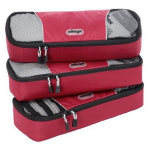 Travel Packing Cubes are life savers when packing and traveling around. You put your stuff in here and it stays neat, orderly, and you can put it all in your bag like playing Tetris. Aside from the millions of packing combinations you can make, and all the fun you can have playing that game, you get more storage from your existing bag. Seriously, it’s like using these turns your bag into one of Santa’s magical sacks that can hold more than they look like.
The cubes come in dozens of colors, sizes, styles, and brands. I prefer the eBags cubes because they’re inexpensive and very durable. They’re also made to fit the largest size of airline carryon perfectly so you can fit two medium and four small size cubes easily, and still squeeze into the overhead bin. I also like the slim ones for underwear and socks. Here’s a tip, roll your underwear and you can pack them more tightly. Same goes with tshirts into the medium size cubes. I just packed up 7 pairs of underwear, 6 pairs of socks, 7 t-shirts, two pairs of pants, and two thin sweaters in a medium and two smalls. Epic space.
 Padded Packing Pouches are great for electronics gear. If you’ve got a lot of cables, and different sets of devices or toys you can easily keep them all straight. For instance, I’ve got a set of gear I bring around with me everywhere. USB sticks, SD cards, cables, chargers, etc. These go in one pouch. Then I’ve got a Chromecast, Apple Airport Express, HDMI cables (the Amazon ones are cheap and work great), and some other bulkier things I don’t want to carry everywhere. Finally I have some wireless testing kit that I take on some consulting engagements. These go into a third bag. Everything stays neat and protected in the padded pouches.
 Velcro Cable Ties keep your unruly cables in line. These miracles can wrap around the ends of cables and stay attached so you don’t have to worry about losing them, unlike twist ties or other velcro ties. And they’re removable so your cables aren’t permanently bound up like with plastic zip ties. It’ll bring some sanity back to your life. I like to use them on my earbuds before I put them in my pocket. (I love my Etymotic HF-5s and Comply foam tips.) Otherwise I always end up pulling out a fistful of spaghetti and spend 20 minutes untangling the wires. Not cool.
Tech Gifts
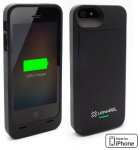 iPhone 5s Battery Cases are indispensable to the Digital Nomad after updating to iOS 8. I mean come on, is there a Bitcoin mining trojan in that software? I looked around and read all the reviews I could find and the Lenmar Meridian iPhone 5s Battery Charger came out on top. The good folks over at The Wirecutter found the same thing and they know what they’re doing.
I looked at the Mophie cases as well, but they seem to be falling behind in the battery capacity department, though no doubt they’re pioneering in other areas. I will give props to my Mophie Powerstation Duo which has saved my bacon more times in the past couple of years than the number of times I’ve eaten bacon! (Note: I don’t count overcooked salted ham as bacon the way the rest of the world does. It’s a blaspheme to the good name of bacon and I will not participate in that kind of slander.)
 The PNY StorEDGE MacBook Pro Storage Expansion is just as indispensable to those of us who have Mac laptops as a good battery case. To have an extra 128GB that’s faster than a portable HDD and doesn’t stick out like an external USB flash drive is pretty awesome. It just sits there holding countless movies, songs, photos, and virtual machines, encrypted with FileVault 2 for seamless security. I won’t apologize for gushing over this thing, it’s truly that awesome. There’s one for every MacBook model and in various sizes. If you didn’t want to drop obscene amounts of money for the bigger drive in your laptop this will make you laugh at those who did. But you’re laughing on the inside, cause you’re not a jerk.
 Presentation Remotes are generally bulky, low quality, plastic feeling deals. At one point I think I owned a half dozen of them and they all sucked. I’d be embarrassed to take them out for a client presentation because I didn’t want to look like I’d wasted my money on them. A colleague of mine wanted me to check out a presentation he was building a few months ago and I couldn’t give him any feedback because I kept stopping him to ask questions about the his Satechi Bluetooth MediaRemote.
This little device does exactly what it should, no more no less. It connects via Bluetooth, so no plug-in to lose and no loss of USB ports. It’s got all the buttons you want, plus a laser pointer. With its number pad, you can look like a pro when you want to jump to a particular slide. It lets you control music on your laptop or phone. There’s a lot more to it but I told you everything I like you’d call me a liar. Just buy it and find out for yourself.
Podcasts
- The History of Rome [iTunes] Mike Duncan became legendary for this podcast. It spans over a thousand years of Roman history in 120 hours of storytelling and humor. It set a standard others have followed.
- Revolutions [iTunes] Mike Duncan comes back with another podcast series. In this one he follows several different revolutions from ancient times to modern. The story of each is told over 12 episodes so you get a great balance of brevity and detail.
- The History of Byzantium [iTunes] This is the successor, in timeline, to the History of Rome. The podcast series picks up where Mike Duncan left off and continues on through the Eastern Roman Empire until the ultimate fall of Constantinople.
- Hardcore History [iTunes] Dan Carlin goes back through history and tells stories you don’t hear in other books, shows, or retellings. He often comes at well known people and times but with a very different slant. Worth paying for the back episode catalog.
- Skeptoid [iTunes] Brian Dunning and guest hosts help cut through the BS in trends, fads, myths, legends, and rumors. It’s a great weekly podcast and a non-profit educational institution.
Note: I have linked several of these recommendations to my Amazon affiliate page. If you buy the items, or others while you’re in the shop, I’ll get small cut and it won’t increase your cost any. It’s a win-win!
A Two-Year Retrospective
A bit more than two years ago I sold all my stuff, rented my house, said my goodbyes and lit out for parts unknown. I was inspired to take a look back by a couple of events. The first is that a new friend, as he’s learned about what I’ve been doing he’s encouraged me to start writing again. The second was Dan Hough’s six-month retrospective of living by his own rules. Some good lessons in that piece.
So what is it that I’ve done over the past couple of years? In short I’ve lived on 3 continents, including Seoul, Mexico City, London, (and now NYC). Worked less than 1500 hours for pay, about the same for free, including advancing the I Am The Cavalry movement. Met dozens of great new people. Improved my career by taking only jobs that made me better. Read, researched, analyzed and honed new ideas and old. Collapsed a house of possessions I unquestioningly kept around me into what can fit in a couple of big backpacks…and even most of that is disposable. I’ve lived as my own master and couldn’t be happier about how it’s all come out.
But I recognize that I’m far from the norm. I’m the outlier. I work in a field that allows this kind of motility, pays well enough, and has enough offers for work that I could support myself financially. That isn’t true for everyone.
It is said that luck is when preparation meets opportunity. To take advantage of this kind of luck you must be both available and willing when the opportunity arises. When you are available you quickly find that the opportunities are everywhere.
I have a personality that lends itself to optimizing for opportunities that come up. In other words, I don’t set goals to achieve or things to attain I set ideals and behaviors to guide me.
To prepare myself I set a 5-year plan to learn skills and build my network. After a realization that I was only truly happy when I felt the freedom and self-determination of travel, I set about figuring out how to do that. The skills I had recently begun to develop were conducive to taking short-term work and working from anywhere. To get the kind of work I needed I’d need to build my skills and improve my connections to job opportunities. So I set about achieving that.
I took a new job, became more social and began publishing a blog. I sought, found and won a new job as a traveling consultant. I started going to security conferences, offering to speak at trade shows on behalf of my new company and organized get togethers of like minded folks. I wrote up my thoughts an published them, engaged with others and cultured dialogs on topics I was interested in. This boosted my skills, extended my reach, raised my credibility in the community and as a bonus it let me travel on others’ dime.
When the opportunity arose I took a new role in the same company on the business side. I was given the chance to work alongside my boss, helping to run and develop the consulting practice. This taught me valuable lessons that I wouldn’t have to figure out the hard way when out on my own. It was like a mentorship or apprenticeship program, learning and developing at full speed but with backup support and a safety net.
Finally it was time to go but a threshold of fear seemed to hold me back. One day I simply looked at the worst case scenario. If I failed and ran out of all my saved money I could borrow enough to get home, live with friends and family, get a new job in the same industry…probably making more than when I left and with a lot more wisdom. My worst case scenario was better than the life I was living!
So the decision was made and a date was set. I closed out projects, left my role better than is found it, trained my replacement at work.
And that gets me back to where we started. I sold all my stuff, rented my house, said my goodbyes and lit out for parts unknown. I left the known behind for the exciting. And I haven’t looked back. Except for this post.
A Recent Trip to Costa Rica and Nicaragua (Part 5)
Recently I spent a couple of weeks traveling in Costa Rica and Nicaragua. It was my first land border crossing in a while, and I think my second ever on a bus. I got to see tons of great things, learned a lot about Central America and myself, and got to relax and enjoy the world. All in all I’ll give it a 9/10. If you missed any of the previous pieces, catch up starting with part 1, part 2, part 3 and part 4.
After having spent a week in Nicaragua doing humanitarian work I was on my way home. That meant going back into Costa Rica to fly out. I had a couple of days to kill so I thought I’d stop by a hot springs area and relax a bit. Only the directions for how to get there I found on the Internet were wrong. I was stranded at the Liberia, Costa Rica airport.
Time to check options. It’d be about 5 hours by 3 local busses, assuming time tables were correct, and I was pretty sure they weren’t given the rainy season tends to play hell on them. Taxi would be $150 minimum. Rental car would be $70 plus insurance and gas and is have to bring it back to an airport 100 miles away from where I was flying back home from.
Different strategy: lose a half day for better options, more certainty and lower cost. Going to San Jose would be about 2h or so and it would give 3 direct, fast bus options to La Fortuna the next day. And if I took the 6am bus I’d get there in the morning around 9:30. Also more flexibility. Perhaps a flight change to come home sooner. Yep. Good options.
So back into Liberia to the local bus station. Busses every hour from the country’s second city to its first. And the bus passes through Cañas on the way so I can check it out and see what’s up. If it looks like I won’t get stranded then I can bail on that plan. Sweet. I set off.
An hour later, Cañas looked very promising with several hotels and some shops. Not a city by any means, but not the jungle either. I’m up for an adventure so I’ll try the 5 hour, 3 bus option. If the next city is like this one then getting stuck won’t be an issue. Quick bus change and I’m on my way to Tilaran. Problem. No buses to La Fortuna until the next morning. Oops. The info desk at the airport must have had bad info. Stymied again by the travel gods.
A quick stop at a cafe lets me talk to the folks at the hostel I’m supposed to stay at in La Fortuna. It ought to be $50 for a taxi. Alright that’s better than $25 for a hotel and a delayed start in the morning. Also cuts travel time in half. Found a driver with good English but he wouldn’t go below $70 even upon threat of losing the fare to somebody else. Boo. But I’m low on time, it’s raining and I want to knock out my travel. $20 extra to the travel logistics gods and I’m on my way along the gorgeous circum-volcanic lake road.
Dark fell an the rain fell harder. A torrent at one point. We pressed on and the rain feigned resignation. About halfway in, we were greeted with a set of parked cars. We stopped. The road was flooded near the lake and trees had been washed onto it. Bad news. We were advised to turn back. The rain had struck again. But a cabbie with a fare on the line is undauntable.
When we reached the spot we found the gossip to be true. But men clad in galoshes were fording the stream. I thought maybe I could do the same and hitch a ride with someone on the other side. Unnecessary. The heroes were rolling and floating the tree pieces out of the way.
So we watched the trucks cross the rushing river. They were all large diesel trucks or SUVs. We were in a small Kia.
“Que piensas?” I asked. What did the driver think? “Pasamos.” We pass. But not before both of us made the sign of a cross. And pass we did with an expression of joy and relief.
Arenal Hostel Resort is exactly as it sounds. Quite nice. Went to my room and dropped of my bags. Grabbed a bite to eat at the bar and my free “welcome drink” and went back to the room. Pulled the curtains closed to change and heard one of the voices on the balcony say to the rest of the group “don’t shut us out come and join us.” I don’t think they knew I heard but I did. So I did go and join them. It was a group of Germans and one guy from Mexico City.
The next day I signed up for the hot springs river – a free trip. Piled into the bus and headed over. I was expecting a kind of a resort but it wasn’t. It was a drainage channel under the road where the river was warm from the hot springs upstream. Since it was raining, though, there was a large stream of cold water that made staying warm a bit tricky. When we arrived there were a couple of small groups there. The driver was coming back in a couple of hours and we figured it’d be a boring wait.
But more and more groups started showing up. Some of them had coolers of booze. And the rain stopped so the water got much warmer. The booze flowed cold and the river flowed hot, as lightning flashed in the sky. Someone had brought mud from the volcano and was giving out mud masks. Someone else found a condom in its wrapper (likely from someone else’s pocket) and made a balloon out of it. We batted it around like a beach ball among the 50 or so people there. When the appointed time came to leave we were disappointed to be going.
I spent a night in San Jose with a couple of the friends I’d met at the hostel. They made authentic Bavarian schnitzel for dinner – a real treat! And I got to meet their host family from a couple of years earlier when they’d been exchange students. It was great fun. We all stayed up past our bedtime drinking and laughing together.
The next day I was off to the airport back home. It’d been a great couple of weeks but I was ready for clean clothes and to get out of the heat and humidity. The trip was fantastic – I couldn’t have asked for better. Even the misadventures turned into great stories. It’s the kind of travel you always hope to have but seldom do.
A Recent Trip to Costa Rica and Nicaragua (Part 4)
Recently I spent a couple of weeks traveling in Costa Rica and Nicaragua. It was my first land border crossing in a while, and I think my second ever on a bus. I got to see tons of great things, learned a lot about Central America and myself, and got to relax and enjoy the world. All in all I’ll give it a 9/10. If you missed any of the previous pieces, catch up starting with part 1, part 2 and part 3, then conclude with part 5.
My time in paradise had come to a close. After arriving at Lago de Apoyo, Nicaragua from Costa Rica on a 12+ hour odyssey any place would have been good to sleep. What I found was a great hostel by a tranquil lake with great people and a hot sun. My friend and I hopped in the taxi and headed to the airport to meet a larger group of friends.
Every year some colleagues, friends and I head to Nicaragua to do humanitarian work for a week. We join up with a group called Amigos for Christ who work alongside some of the world’s bottom billion, helping to remove them from that statistical designation. Teaming up with communities to get fresh water, improve sanitation and reduce the burden to the locals pulling themselves out of poverty. It’s good work done well.
But that part is boring to write about and to read about so we’ll skip it. Got to the airport to drop everybody else off and caught a taxi to the bus station. I was heading back through Costa Rica to go home. At the bus station they took care of me and spoke slowly. Made me first in line and printed out my flight itinerary for the Costa Rican border folks. This bus was full this time so not much sleep.
At the border there was a British lady complaining about getting a 60 day rather than a 90 day visa stamp. They gave me a 90 day visa – maybe just to piss her off. I have the feeling she was trying to circumvent the intent of the law. She also had fruit in her bag and complained that they took it. This isn’t the EU, lady. They ask you on the customs form if you have any fruits and veggies and I’m guessing you said you didn’t. Still, the process for her went much easier and the people were more friendly than the treatment the UK Border Authority gives.
I was planning on going to the area around another volcanic lake with hot springs for a couple of days. I’d read online that there was a daily shuttle at 2pm from the Liberia airport there. So I arrived after about 6 hours on the bus, grabbed some cash from the ATM in what I now knew to be the real local currency, US Dollars. Grabbed a taxi to the airport and got ready for the shuttle.
But the Internet lied to me. There was no 2pm shuttle. I was stranded.
A Recent Trip to Costa Rica and Nicaragua (Part 3)
Recently I spent a couple of weeks traveling in Costa Rica and Nicaragua. It was my first land border crossing in a while, and I think my second ever on a bus. I got to see tons of great things, learned a lot about Central America and myself, and got to relax and enjoy the world. All in all I’ll give it a 9/10. If you missed any of the previous pieces, catch up starting with part 1 and part 2, then continue to part 4 and conclude with part 5.
After taking a bus from San Jose, Costa Rica to Managua, Nicaragua, then having myself an authentic Nicaraguan taxi experience I was happy to meet up with my friend. We caught up briefly then packed into the car taking us to our hostel for the next couple of days, Hostel Paraiso on Laguna de Apoyo. We arrived in the dark so didn’t get much of a chance to see the place. The kitchen was closed but they opened it up again to make us some crepes. They let us know the bar was going to close in about 2 hours but that the beer fridge was 24/7 – just write down what we’d drank and we’d settle up at the end. Paradise Hostel? If not it’s damn close.
We hit the sack early so we could get a fresh start. Rumor had it swimming at dawn was not to be missed. In spite of my hatred of mornings I determined to do that. It was worth it in the chilly water and watching the sun come up over the rim of the extinct volcano in which we were swimming. Grabbed some breakfast to start the day. After an appropriate period of rest and caffeinating we grabbed some sunscreen and a couple of kayaks to paddle around.
After half hour the sun and exercise had us feeling warm but the water was cooling us down and helping us stay strong. So I challenged us to paddle around the whole lake. I figured it’d take another 1-2 hours and we’d be back in time for some rest and a shower before lunch. It wasn’t until halfway across the lagoon, a couple of hours in that I began to realize my sunscreen apparently hadn’t worked, and in the tropical sun on the water I was very exposed. We got back 3 hours after we’d left and my skin was already starting to look like a sunset in patches. Ah well, it’s the price of a good day’s exercise.
The rest of that day and the next I took it easy, just relaxing by the water’s edge in the shade. The bar/cafe area was perfect for that, attracting a stream of hostel guests, lake visitors and expats living on the shore. It was a great place to be and I enjoyed it thoroughly. My skin responded to the harsh treatment predictably, but the cool of the shade and the good times helped to soothe the pain. The aloe helped as well.
All things end, and so too my time at this lake paradise. The next week would see me reuniting with, working alongside and saying goodbye to old friends and colleagues. Doing humanitarian work in Nicaragua, helping to bring fresh water and sanitation to those who don’t have it. Humbling and inspiring work.
A Recent Trip to Costa Rica and Nicaragua (Part 2)
Recently I spent a couple of weeks traveling in Costa Rica and Nicaragua. It was my first land border crossing in a while, and I think my second ever on a bus. I got to see tons of great things, learned a lot about Central America and myself, and got to relax and enjoy the world. All in all I’ll give it a 9/10. If you missed any of the previous pieces, catch up with part 1, and follow up with part 3, part 4 and part 5.
Awoke at 6:30 to catch my bus from San Jose, Costa Rica to Managua, Nicaragua. Too early. No time to grab food at the station, luckily I still had some Lebanese burritos left. Although I thought I understood that you can’t buy bus tickets the morning of the bus, that wasn’t strictly true.
Hopped on the bus. Asked for a window seat and went to the back. An Australian guy came with me and we chatted. He’s been traveling for ten months through South America. Lived in Buenos Aires for a bit and Medellin, Columbia too. One more person who swears that’s one of the best cities in Latin America.
Bus ride was uneventful. Slept some. Looked at the gorgeous Central American scenery. Border was easy. Lots of people changing money (cambio men), selling stuff and begging. Routine-feeling 30 minutes later we were on our way. Around 5:15 or so, only 45 minutes late, we arrived at the Managua bus station. I fought off a few of the taxi drivers, letting them know I was going to take the bus to the airport, that I didn’t need their services.
I was going to walk around and see some more of the city but a guy started talking to me in very clear and only lightly accented English. “you said you’re going to take the bus? It’s in the other direction.” “Yes, but later.” “OK. If you’re planning on taking it after 7pm it doesn’t run because of the rush hour. And then after that it’s dark and a bit dangerous. Too far down that way is dangerous and the other way too. If you just want to like check Internet, have a soda or something then have a seat at this cafe. She makes great food too.” “Sounds good. Want to have a Coke with me?” So we talked a while. His family fled to the US in the early 80s during the civil war. He lived there until he was deported due to being arrested 3 times (3 strikes law). Lived in California, Miami, North Carolina. Name is Harold Bernard. His dad was half French and gave everybody French names. Interesting character.
We talked about an hour and it was starting to get dark so I asked him to grab me a taxi. He rode with me to do some translating and because in Central America you almost always want to have 2-3 people in the car with you just in case. The car was falling apart. We had to push it to get it started, the doors had no interior and it smelled slightly of burning oil. “This is the real Nicaraguan taxi experience,” Harold told me. At the airport I met a friend and we met the car that was going to take us to our hostel for the night.
Got to the airport and caught a taxi. 150 cords because I had a local who could get the good price. At bus station they took care of me and spoke slowly. Made me first in line and printed out my flight itinerary for the Costa Rican border folks. This bus is full.
There was a British lady complaining about getting a 60 day rather than a 90 day visa stamp. They gave me a 90 day visa. Much easier and more friendly than the UK Border Authority.
Maybe she wasn’t out of the country 3 days, that’s a question on the immigration form. I guess it’s to prevent living here on a tourist visa, as I suspect she is doing.
She also had fruit in her bag and complained that they took it. This isn’t the EU, lady. They ask you on the customs form if you have any fruits and veggies and I’m guessing you said you didn’t.
Napped sometimes. Watched scenery others. Got to enjoy about 6 hours of this and arrived at the Liberia dropoff point around noon. Grabbed some cash from the ATM in the local currency, US Dollars. Taxi to the airport and ready for the 2pm shuttle.
But the Internet lied to me. There was no 2pm shuttle. I was stranded.
Time to check options. It’d be about 5 hours by 3 local busses, assuming time tables were correct, and I was pretty sure they weren’t given the rainy season tends to play hell on them. Taxi would be $150 minimum. Rental car would be $70 plus insurance and gas and is have to bring it back to an airport 100 miles away from where I was flying back home from.
Different strategy: lose a half day for better options, more certainty and lower cost. Going to San Jose would be about 2h or so and it would give 3 direct, fast bus options to La Fortuna the next day. And if I took the 6am bus I’d get there in the morning around 9:30. Also more flexibility. Perhaps a flight change to come home sooner. Yep. Good options.
So back into Liberia to the local bus station. Busses every hour from the country’s second city to its first. And the bus passes through Cañas on the way so I can check it out an see what’s up. If it looks like I won’t get stranded then I can bail on that plan. Sweet. I set off.
An hour later, Cañas looked very promising with several hotels and some shops. Not a city by any means, but not the jungle either. Quick bus change and I’m on my way to Tilaran. Problem. No buses through to La Fortuna until the next morning. Oops. The info desk at the airport must have had bad info.
A quick stop at a cafe lets me talk to the folks at the hostel. It ought to be $50 for a taxi. Alright that’s better than $25 for a hotel and a delayed start in the morning. Also cuts travel time in half. Found a drive with good English but he wouldn’t go below $70 even upon threat of losing the fare to somebody else. Boo. But I’m low on time, it’s raining and I want to knock out my travel. $20 extra to the travel logistics teacher and I’m on my way along the gorgeous circum volcanic lake road.
Dark fell an the rain fell harder. A torrent at one point. We pressed on and the rain feigned resignation. About halfway in, we were greeted with a set of parked cars. We stopped. The road was flooded near the lake and trees had been washed onto it. Bad news. We were advised to turn back. The rain had struck again. But a cabbie with a fare on the line is undauntable.
When we reached the spot we found it to be true. But men clad in galoshes were fording the stream. I thought maybe I could do the same and hitch a ride with someone on the other side. Unnecessary. The heroes were rolling and floating the tree pieces out of the way.
So we watched the cars cross the rushing river. They were all large trucks or SUVs. We were in a small Kia.
“Que piensas?” I asked. What did he think? “Pasamos.” We pass. But not before both of us made the sign of a cross. And pass we did with an expression of joy and relief.
Arenal Hostel Resort is exactly as it sounds. Quite nice. Went to my room and dropped of my bags. Grabbed a bite to eat at the bar and my free “welcome drink” and went back to the room. Pulled the curtains closed to change and heard one of the voices on the balcony say to the rest of the group “don’t shut us out come and join us.” I don’t think they knew I heard but I did. So I did go and join them. It was a group of Germans and one guy from Mexico City.
Signed up for the hot springs river – a free trip. Piled into the bus and headed over. I was expecting a kind of a resort but it wasn’t. It was a drainage channel under the road where the river was warm from the hot springs upstream. Since it was raining, though, there was a large stream of cold water that made staying warm a bit tricky. When we arrived there were a couple of small groups there. The driver was coming back in a couple of hours and we figured it’d be a boring wait.
But more and more groups started showing up. Some of them had coolers of booze. And the rain stopped so the water got much warmer. The booze flowed cold and the river flowed hot, as lightning flashed in the sky. Someone had brought mud from the volcano and was giving out mud masks. Someone else found a condom in its wrapper (likely from someone else’s pocket) and made a balloon out of it. We batted it around like a beach ball among the 50 or so people there. When the appointed time came to leave we were disappointed to be going.
A Recent Trip to Costa Rica and Nicaragua (Part 1)
Recently I spent a couple of weeks traveling in Costa Rica and Nicaragua. It was my first land border crossing in a while, and I think my second ever on a bus. I got to see tons of great things, learned a lot about Central America and myself, and got to relax and enjoy the world. All in all I’ll give it a 9/10. This is a series so continue reading with part 2, part 3, part 4 and part 5.
When I first got to the San Jose airport I found myself dumped out into a sea of taxi drivers, without so much as a welcoming terminal to walk through. There were no ATMs I could find so I pushed through the waves and went to the calm harbor of the departure terminal where there were a few ATMs.
Unfortunately my ATM cards didn’t work. On the cafe wifi I called my bank and they couldn’t figure out why but asked me to try tomorrow. Not a good answer, I’ll be changing banks soon. I managed to take out some expensive money on my credit card and off I went to find the bus.
To take the local bus into town you have to walk around the parking structure out front. The cost was at the time 530 colones – about a dollar. And they take dollars, so if you can’t use your ATM card you’re not totally out of luck. A taxi dispatcher was helping folks find the bus to San Jose and helped me. Kind of him.
2-3 stops in a guy got on the bus. A man got up and offered the window seat but the new arrival begged off, saying his leg was bad and he needed to stretch it. Then he pulled out the cup and balls game. He took some money and gave some money in the first few games. But swiveling your head to engage people in the back leaves you open to someone lifting the cups and exposing where the ball is. One of the guys who’d lost a few dollars did just that. Lesson here is keep your friends close and your enemies in eyesight. Or don’t make enemies of the guy behind you.
I got dropped off in the center of town. Walked around the main pedestrian street. Not a lot to see and to do in San Jose. Great views of the mountains around though. Very few places have wifi.
Got a bus ticket for the 7:30 SJO-MGA. Will arrive at 4:30pm if it’s on time. Tickets aren’t sold on the bus apparently so if you want to get on one of the early AM busses you have to buy the day before. Otherwise no ticket, no ride. (This isn’t strictly true as I found out later in part 2.)
Ended up at a cool hostel in an old looking building. Not sure if its actually old or made to look like it. Decent bar and cafe with lots of places to juice up your tech gear.
Dinner at a Lebanese place. Got the schwarama and Lebanese cheese. The schwarama was described as two tacos but it was actually a more traditional wrap. Interesting that the dish wasn’t described as burritos. Maybe they don’t have those down here. Incredibly flavorful. Way too much food, but it fit nicely into a to go box. Hope the folks on my bus tomorrow don’t get too jealous. 😉
New Home (And On The Web)
I’ve got a new home. Locally and virtually. I’m living in Mexico City these days. It’s a long story, but a good story. I’ll tell you about it sometime. I’ve also got a new virtual travel home at the GTFOutcast. Check it out and tune into the podcasts and check out the GTFO FTW presentation at BSides Las Vegas.
 meanderingwoods